

Why every brand needs a good video content strategy right now
Video is no longer just a “nice-to-have” in a digital-first era; it’s a key way for brands in all fields to communicate. Video content is now the best approach for businesses of all sizes, from small startups to big companies, to get people’s attention, provide them value, and develop trust. But making films without a clear plan might lead to messages that don’t match and missed chances.
A good video content strategy makes sure that every video has a purpose, supports company goals, and has an effect that can be measured.
The Change from Campaigns to Ongoing Storytelling
In the past, brands would run one-off campaigns, like putting out a video, pushing it for a few weeks, and then moving on. People expect stories to keep going today. Video content strategies are all about making sure that the story stays the same throughout time, on different platforms, and in different formats.
Short snippets, behind-the-scenes videos, testimonials, explainers, and long-form movies all work together to produce a brand presence that makes sense. This method keeps people interested and strengthens brand identity at every point of contact.
Video strategy begins with a clear goal.
Every good video strategy starts with three basic questions:
Who is the audience?
What should the viewer do?
Where will people see the video?
Even well-made videos can fail to get results if they aren’t clear. A video made for social media discovery will appear very different than one made for investor presentations or delivering stories on a website. Strategic planning makes ensuring that the correct message gets to the right people in the right way.
Finding a balance between creativity and business goals
It’s important to convey stories in a creative way, but they need to be based on business goals. Video content should help achieve defined goals, whether those goals are collecting money, getting people to know about a company, or making a social impact.
A good strategy strikes a balance between structure and creativity. It lets you communicate emotional stories while still focusing on measurable results like engagement, retention, or conversion.
Video Planning for Each Platform
Every digital platform has its own rules and ways of acting with material. It doesn’t work very often to use the same method for all videos. Successful video strategies change the duration, format, and style of content for each platform.
For instance, vertical short-form videos do well on social media, whereas cinematic horizontal films do better on websites like YouTube. Strategic planning helps brands reuse content in a way that keeps it useful and high-quality.
What Professional Video Production Does
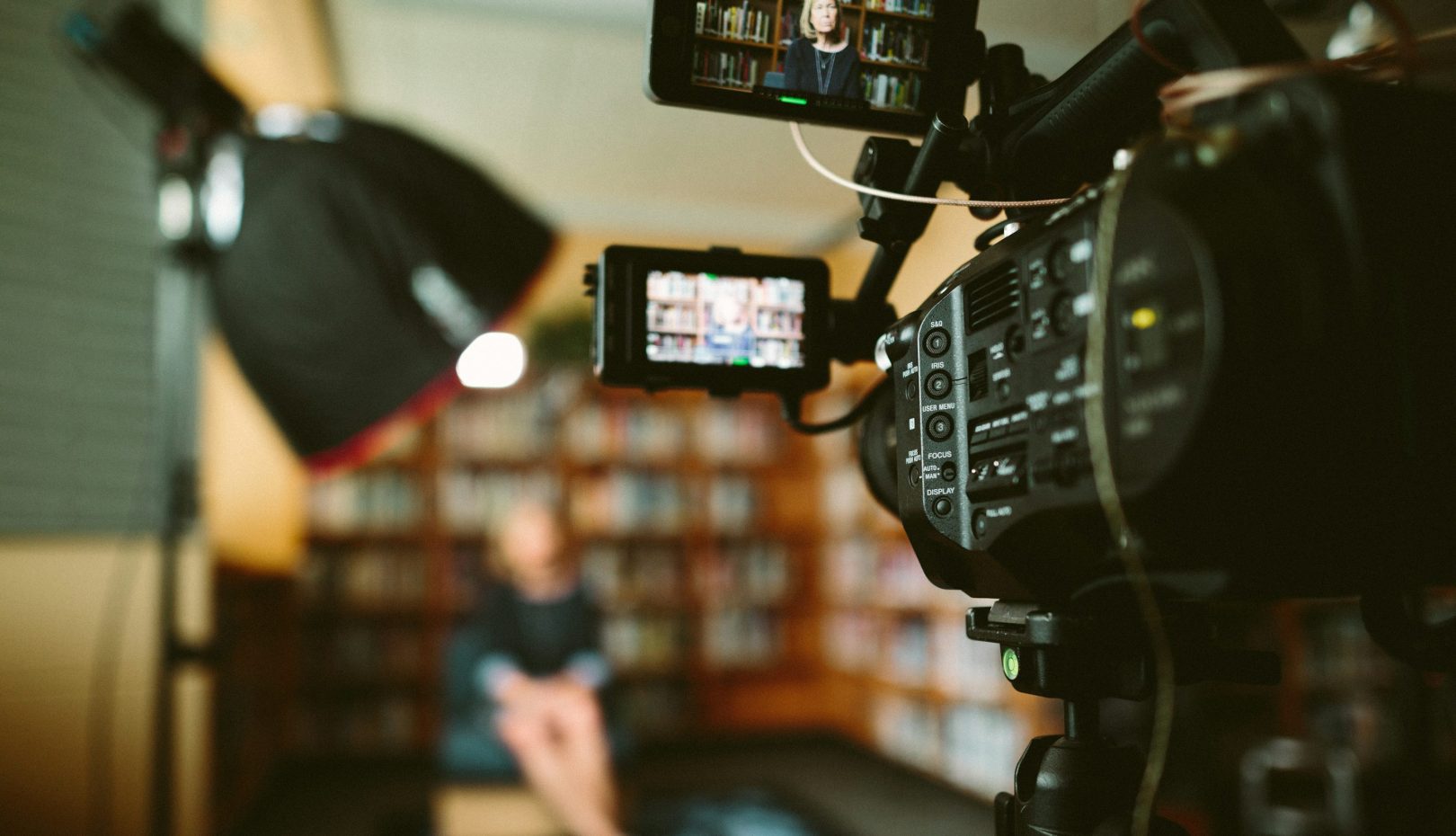
Planning is just as important as doing. Even the best approach can fail if the audio is bad, the images are inconsistent, or the tale is weak. Professional video production makes sure that the technical aspects are perfect, the aesthetics are consistent, and the story is clear.
High-quality production also makes people think better about your business. People intuitively connect the quality of a production with reliability, professionalism, and credibility.
How to Measure Success and Change Over Time
A plan for video content is not set in stone. Watch time, engagement, and audience retention are all examples of performance data that can help you figure out what works and what doesn’t. Brands that keep improving their methods stay relevant and in touch with what their audience wants.
In conclusion
With a solid video content strategy, video goes from being a bunch of separate pieces to being a powerful storytelling ecosystem. Brands can make video content that not only looks attractive but also has a lasting effect by combining creativity with purpose, adapting to platforms, and putting money into high-quality production.
Strategy is what makes video a real business and communication advantage in a world that is becoming more visual.
