

Behind every frame is a language of movement, composition, and subtle choices. In a single frame, a company can inspire trust, demonstrate innovation, or convey culture. Behind that frame lies the power of advanced camera techniques. With the correct camera techniques, the camera becomes a guide to the viewer’s eye, setting the tone, and capturing the essence of a brand without saying a word.
Camera techniques have the ability to shift perception, create trust, and elevate even the most straightforward messages into something memorable. Advanced camera work is about understanding the subtleties of movement, rhythm, framing, and light. You should know how each of these elements can shift the mood of a moment or the tone of a message. It should draw the viewer closer to the story being told.
When used with precision, care and creativity, it has the power to shape the start of an incredible journey from the first frame. Decisions regarding camera work may seem technical on the surface, but they are deeply human at their core. They are rooted in empathy, in the ability to anticipate how it will make the person feel on the other side of the screen.
Table of Contents
Through movement, framing, rhythm, and light, we can transform even the simplest corporate message into an emotionally engaging visual experience. Let’s break down what these advanced camera techniques are and how you can use them to take your corporate videos from “meh” to memorable.
Why Advanced Camera Techniques Matter in Corporate Video Production?
Advanced camera techniques help you communicate value without saying a word, tapping into human emotion with visual clarity. A standard talking-head video may convey information. But when paired with seamless dolly shots, dynamic lighting, and macro details, it elevates the story, making it immersive and emotionally resonant.
Example:
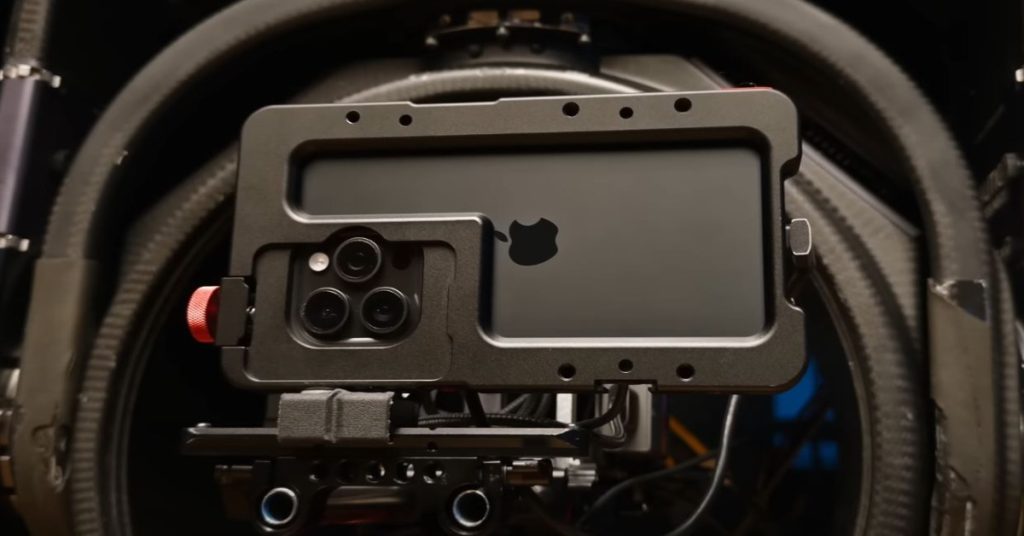
Apple’s “Scary Fast” MacBook Pro / M3 chip reveal is a strong example of how advanced camera techniques can elevate a corporate video. The event was filmed using iPhone 15 Pro Max, incorporated traditional motion gear and used high‑quality post‑production workflows. You can watch behind‑the‑scenes video “Behind the Scenes: An Apple Event shot on iPhone” to see how these techniques give Apple a sense of polish and storytelling.
Now, it is time to look at few camera techniques you can use to make your corporate videos special & different.
1. Light Painting
Let’s say your brand is all about cutting-edge tech, creativity, or thinking outside the box. How do you show that visually?
Enter light painting, a technique that uses long exposure to trace light paths in-frame, creating surreal and animated visuals. You can use it to add a creative flair or to highlight a brand’s innovative spirit. The results are always mesmerizing, creating almost futuristic visuals that feel alive.
Pro Tip: Use light painting during nighttime indoor shoots or in controlled environments to accentuate motion or transitions between segments.
Example:
A compelling example of how light painting elevates brand storytelling is Lichtfaktor’s “TalkTalk Brighter” campaign. In this video, Lichtfaktor animates brand motifs using light graffiti. Motion paths of colored light, frame-by-frame compositing, and long-exposure techniques transform logos and visual elements into luminous and living forms.
The creators planned each “stroke of light,” mapped trajectories in 3D space, and composited scenes so the light appears to draw itself onto real surfaces. The result is a video that feels more like a light sculpture than a standard ad. It gives TalkTalk a visually memorable identity that goes beyond static branding.
Here’s the link of the video for you to watch: TalkTalk Brighter – Light Painting Video.
2. Motion Control Systems
Have you seen a product spin into view with buttery smooth motion, with every tiny detail captured exactly how the brand wants it? That’s motion control. These are robotic camera rigs that allow you to repeat exact movements again and again precisely.
They are perfect for creating hyper-detailed and cinematic product shots. You can use this technique for product launches, technical demonstrations, or comparisons between versions/models.
Pro Tip: Combine motion control with high-speed filming for a truly cinematic product experience.
Example:
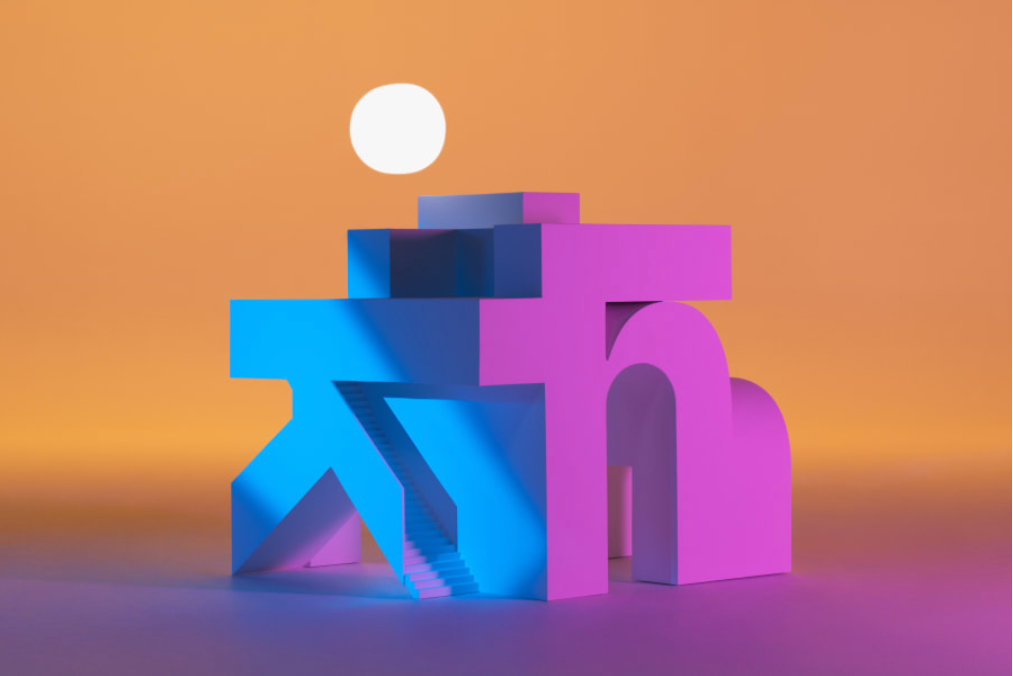
One striking example is IBM Think by Espadaysantacruz. In this work, the team deploys motion‑controlled cameras (a Bolt rig) together with robot‑mounted lighting (Kuka robots) to choreograph each movement of camera and light in harmony. The set is architectural yet sculptural, with five distinct spaces built for the letters T‑H‑I‑N‑K. Through this set-up, the camera weaves gradually, revealing the whole form.
Light, shadow, perspective, and movement are all composed to keep viewers wondering: is this physical space, architectural art, or digital illusion? The result is an immersive visual story that aligns deeply with IBM’s identity of innovation and evolving perspectives.
3. Macro Videography
Sometimes the big picture isn’t enough. You need to zoom in to show off what makes your product exceptional. That’s where macro videography comes in.
Macro lenses capture extreme close-ups, revealing textures and details invisible to the naked eye. It highlights intricate details of the products or processes. This technique is ideal for manufacturing, jewelry, technology, pharmaceuticals or any other industry, where precision and quality are core brand values.
Pro Tip: Use macro shots to transition from a wide brand story to a product-specific narrative.
Example:
One of the most striking uses of macro videography in corporate vidoes can be seen in Intel’s “How Intel Makes a 10nm Chip” video. Through extreme close-ups of wafer surfaces, transistor etching, and photolithography processes, the video gives viewers a mesmerizing look at the microscopic world of chip manufacturing.
These macro shots visually reinforce Intel’s brand identity: precision engineering, innovation at the smallest scale, and scientific mastery.
4. Bullet Time (aka Time-Slice Photography)
You’ve probably seen this in action movies and yes, it’s being used in corporate video now, too. Bullet time involves multiple cameras capturing a subject from every angle at once, to create the iconic “frozen in time” effect as the perspective spins. It can add a wow factor to your videos.
This technique is great for event recaps, team moments, or product interactions, transforming a simple moment into a show-stopping scene.
Pro Tip: Use bullet time for employee-centric videos to humanize the brand while showcasing production value.
Example:
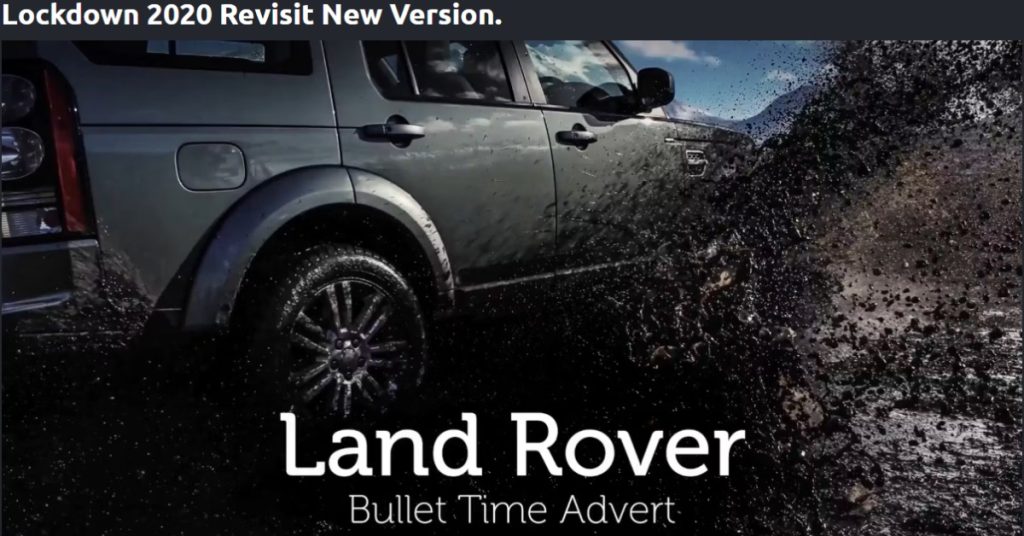
A standout example of bullet time in corporate video production comes from Land Rover. In a visually striking campaign where the vehicle itself becomes the centerpiece of a dynamic and frozen moment. Created by The Splice Boys, this production used a custom bullet-time rig consisting of multiple synchronized cameras arranged in a circular array around the vehicle. As each camera fired in rapid succession, the footage was stitched together to simulate the camera orbiting the scene in mid-motion while everything else remained frozen or dramatically slowed.
The result? A 360° time-slice that transforms the Land Rover from a static product into an object of cinematic drama and engineering power. This technique conveyed the stability, strength, and motion in a single shot. It’s a perfect illustration of how motion-control and bullet-time rigs can bring new life to product videos, turning them into immersive brand stories.
5. Slow Motion
Slow motion helps you emphasize emotion, amplify action, or just let a key moment breathe. You can highlight key moments by using this technique. It can also add drama & emphasis on important actions or reactions, making them more impactful.
Pro Tip: Use at 120fps or higher to ensure clarity in slow-motion capture.
Example:
A great example of slow-motion used in a corporate product video is Coca-Cola’s visually stunning commercial filmed by Amr Saadany using Chronos high-speed camera technology. By capturing the iconic beverage in exquisite slow motion, the video highlights the fizz, droplets, and intricate textures of the product, transforming simple moments into immersive visual experiences.
This technique elevates the appeal of the drink and creates a rich sensory connection with the viewer, showcasing Coca-Cola’s timeless freshness and attention to detail through cutting-edge cinematography.
6. Screen Recording with Annotations
Software demos don’t have to be boring. A clean, annotated screen recording, layered with subtle motion graphics and voiceover, can be compelling. This ensures your audience can follow along with you easily.
A high-quality screen annotated elements are enough to explain software interfaces, processes, their features and functionalities. SaaS companies, fintech platforms, or enterprise tools can use this technique to onboard new users and to educate them about the product.
Example:
A strong example of effective screen recording with annotations in a corporate context is Adobe’s product demo for Experience Manager Sites. This demo walks viewers through the platform’s capabilities like content creation, real-time editing, and streamlined workflows by using clear and step-by-step screen recordings.
Adobe enhances the learning experience by incorporating zooms and visual focus effects that guide the viewer’s attention to specific UI elements. While the annotations are subtle, the use of highlighted regions, cursor tracking, and interface cues ensures the demo remains intuitive and easy to follow. It’s a clean, professional approach that simplifies complex features for decision-makers and potential users alike.

7. 360-Degree Rotating Shots
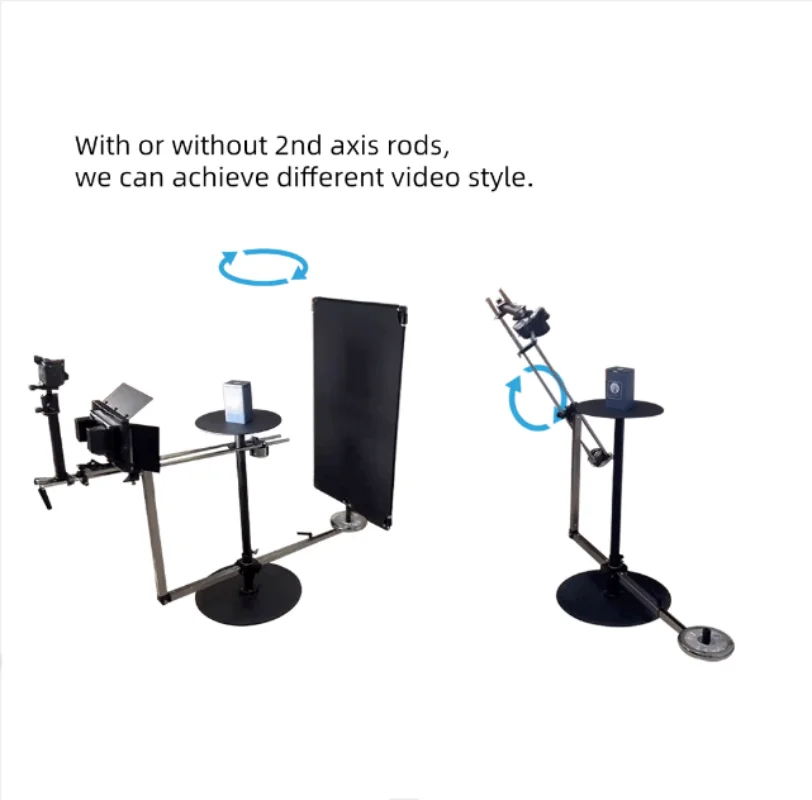
360-degree rotating shots give your audience a full look at a product from every angle, often using a turntable or rotating platform. Products are placed on a rotating platform while the camera remains static (or vice versa) to achieve a seamless 360-degree view.
It is great for product demos, giving viewers a comprehensive view without the need to touch the product. As you know, it is common in e-commerce, automotive, fashion, or hardware industries, where the product design is central to the sales pitch.
Pro Tip: Yiu can combine 360 shots with on-screen technical specs for a deeper user understanding.
Example:
One strong example of 360-degree video application in a corporate setting is Samsung’s campaign for its 360 Round camera. Designed for capturing immersive, spherical footage, the promotional video leveraged 360-degree video to place viewers directly inside dynamic scenes, like in the interior of a race car, to offer a fully interactive viewing experience.
While not a traditional turntable-style 360 product spin, this campaign demonstrates how brands can use multi-angle and immersive capture to provide comprehensive visual context and elevate product storytelling.
Samsung effectively showcased the power of its own hardware by using the very feature it promotes, 360-degree viewing as the core of its marketing narrative. This approach gives audiences a complete sense of presence and perspective, making it especially powerful for products where spatial experience is key.
Advanced Camera Techniques Bonus: Parallax Shots
With parallax motion shots, the foreground and the background move at different speeds, making static spaces come alive. By moving the camera laterally while keeping the subject in focus, parallax motion adds depth, a visual intrigue, and a cinematic feel to the video.
Twinn Media offers work (via their site) showing how still images are manipulated with parallax to give them a “live” feeling. They isolate subjects (foreground / background), then animate/shift these layers to simulate depth. This is more in the “photo → video” style than a live product demo, but the technique is directly applicable.
Conclusion: The Final Take on Advanced Camera Techniques
So… Why Does Any of This Matter?
Because in the modern world of today, how you tell your story is just as important as what you’re saying.
Advanced camera techniques make your videos look cooler and they make them feel more intentional, more human, and more aligned with the brand. They grab attention, earn trust, and hold onto the audience a little longer.
In a time when authenticity is valued, where audiences are discerning and attention is fleeting; how we choose to capture a moment can mean the difference between connection and indifference.
Every frame in a corporate video is an opportunity to show who you are, what you believe, and why your audience should care. By leveraging advanced camera techniques, elevate your corporate videos beyond the expected, and you’ll transform them from passive viewing to active engagement.
Don’t settle for average. Push for visual storytelling that mirrors the excellence of your brand.
Read More
Master Shooting with a Green Screen for Corporate Video Production

Mastering Smooth Shots with Gimbals: Elevate Your Video Production

Which VFX Software to Use for Corporate Video Production?
Frequently Asked Questions (FAQs) related to Camera Techniques
Q1- How to make shots interesting?
You can make shots more engaging by adding purposeful camera movement, using interesting angles, highlighting textures with close-ups or macro shots, and incorporating techniques like slow motion, parallax, or light painting. It’s about turning standard visuals into storytelling moments.
Q2- Why are camera techniques used?
Camera techniques are used to visually communicate brand values, highlight important details, and create an emotional connection. They help elevate the message, guide the viewer’s attention, and ensure the content feels polished, professional, and intentional.